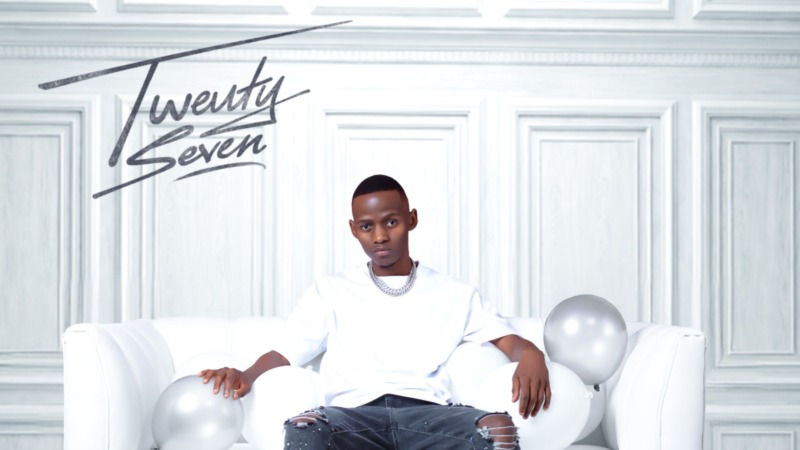
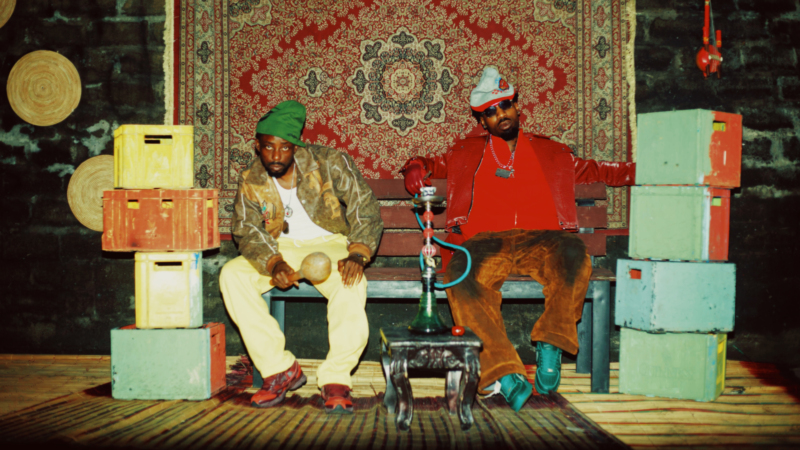
There is a specific kind of relief that comes at the end of a long, distressing daythe moment you walk through your front door, drop everything, and take that long, slow, deep breath that reminds you that you are still standing. That is exactly what Twenty Seven, the debut album by Tefo Bright, feels like from the first track to the last. It is not just an album. It is a exhale. A reckoning. A man sitting down, looking himself in the mirror, and accounting for every scar, every blessing, and every year that brought him to this moment.
Tefo Bright has been bubbling in the Botswana Hip-Hop scene for years. Many were first introduced to him in the early 2020s through iLevel, a collaboration with Dramaboi produced by Da Qutness that went on to win a YAMAa Yarona FM Music Award. That record announced him as a name worth remembering. But it was Tlhagiso, his breakout single, that truly turned heads. The OGs of the scene were full of praise, and the record earned him Song of the Year at the Rarely Hip-Hop Awards 2025. He also took home Rookie of the Year at the same ceremonytwo awards, one night, a statement made clearly and without apology. Signed to HotKeys Music, Tefo Bright arrives at his debut album not as a gamble, but as a confirmation.
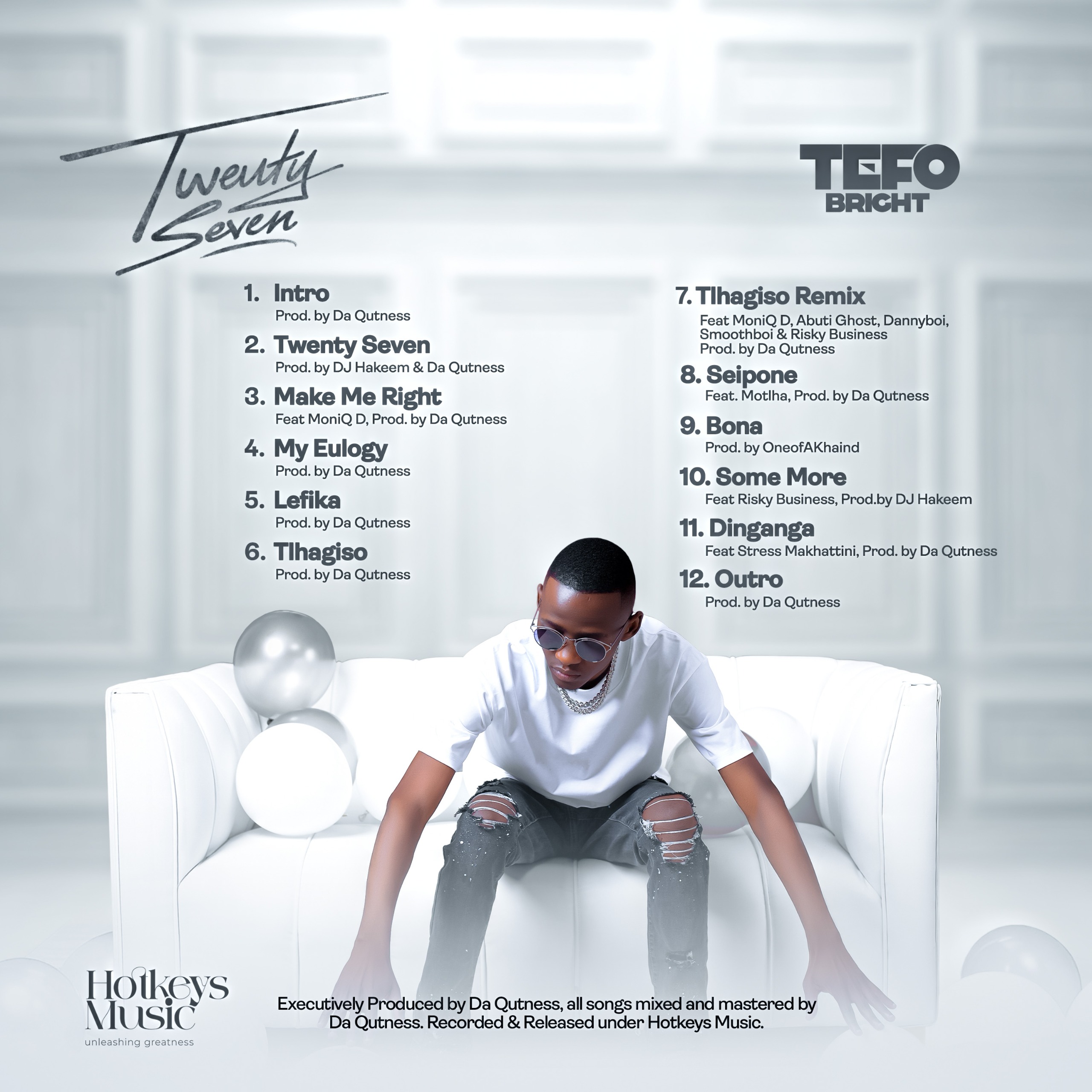
Work on Twenty Seven began in May 2025, and the album was originally set to drop in Septemberon his birthdaybefore finally arriving to the world. The 12-track project is predominantly produced by Da Qutness, who handles 10 songs and serves as executive producer, with DJ Hakeem and OneOfAKind each contributing one production credit. The result is a sonically cohesive body of work that draws from Motswako roots, soulfulness, dance, and raw emotional honestya album that feels lived-in because it is.
Twenty Seven wastes no time announcing itself. The Intro sets the tone immediately Tefo Bright arrives lyrically sharp, flexing his pen with the kind of controlled confidence that tells you this is not a man who stumbled into a recording studio. He earned his place here, and he wants you to know it from the very first bar. The title track, Twenty Seven, follows and immediately shifts the temperature of the album – The song starts with Tefo Bright’s Little sister wishing him birthday for his 27th Birthday. Here, Tefo gets deeply personalreflecting on 27 years of life with unflinching honesty. He addresses one of the most vulnerable chapters of his story: dropping out of BIUST in his second year, being thrown into the hustle, and navigating the weight of a community that kept reminding him he was too smart for the streets. That particular tensionbeing told you belong somewhere you are not, while surviving exactly where you areis one that resonates far beyond Botswana, and Tefo carries it with remarkable grace.
Make Me Right is one of the album's most spiritually grounded moments. Rooted in his Christian faith, the song is not a sermonit is a confession. Tefo acknowledges his imperfections without shame, framing himself as a man on a mission to become the best version of himself rather than a man who has already arrived. The reminder that the day of the Lord is coming lands with conviction rather than coercion, which is a difficult balance to strike and one that many artists miss entirely. Then comes My Eulogy and this is where the album breaks open completely. Written as a sonic letter to his late father, the song is one of the most emotionally arresting pieces on the project. Tefo confronts the complicated reality of a relationship that was strained by family circumstances, the regret of a phone call made months before his father passed that he never returned, and the quiet grief of a bond that never fully formed. It is a song that does not ask for sympathyit simply tells the truth, and in doing so, it achieves something far more powerful. He also shares that he has since reunited with his father's side of the family, and the song gently but firmly urges listeners to make peace with their own fathers while there is still time. My Eulogy is not just a highlight of this albumit is one of the most important songs released in Botswana Hip-Hop this year.
Tlhagiso already a certified moment in the scenefinds its rightful home on the album, serving as an ode to Dramaboi's Tlhari Ya Sechaba and carrying forward a similar message of purpose and cultural pride. The Tlhagiso Remix, featuring Moniq D, Abuti Ghost, Dannyboi, Smoothboi, and Riskybusiness, expands the record into something communal and celebratorya reminder that great songs have a way of gathering people around them. Lefikafollows, adding another layer to the album's emotional and thematic architecture. But the undisputed peak of Twenty Sevenobjectively, without argumentis Seipone, featuring Motlha. Built around the central question of reflectionwhat do you see when you look in the mirror?the song is an anthem in the truest sense of the word. What makes it extraordinary is the seamless chemistry between Tefo Bright and Motlha, whose vocals align so perfectly with the verses that you could be forgiven for thinking they are the same person. The chorus did not dilute the messageit amplified it. Motlha's contribution, "Seipone, Seipone yo mo golo ke mang mo go bone botlhe"Mirror, mirror on the wall, who is the greatest of them alltakes a deeply personal song and lifts it into something universal. It is the kind of chorus that stays with you long after the song is over.
Not everything on Twenty Seven reaches for the existential. Bona, Dinganga, and Some Morerepresent the album's joyful, kinetic sidedance and Kwaito-influenced cuts that are unashamedly built to move bodies. There is a distinct early 2000s Jabba and Motswako flavour running through these tracksa nostalgic warmth that feels both intentional and deeply personal. You can hear within them an artist chasing something specific: a song that lights up a room, that makes a crowd lose themselves, that becomes the record everyone needs to hear when the night is just getting started. These are not throwaways tucked in between the heavier moments. These are BOPSpure and simpleand they serve the album in exactly the way the album needs them to. Every great Motswako project understands that the culture has always held grief and celebration in the same hand, and these songs honour that tradition without apology.
The album closes the way it shouldwith Outro, which begins with Tefo's mother reading Psalms 27:4-6. It is a deliberate and deeply moving choice, tying the album's title to scripture and to the personal in one quiet, powerful gesture. The song then draws together the threads of everything that came before it, touching on nearly every theme the album explored and consolidating them into a final, cohesive statement. It is a perfect ending to a project that was always building toward something meaningful.
Twenty Seven is cohesive, soulful, and personalthree words that are easy to say and hard to earn. Tefo Bright earns all three. This is a debut album that does not sound like a debut album. It sounds like a man who has been carrying these stories for years, waiting for exactly the right moment to set them down. That moment is now. This is a Motswako album that will stand the test of time. Go and listen to itfrom the Intro to the Outro, without skipping a single track. Let it breathe. Let it find you.
Our website uses cookies and other technologies so that we and our partners can remember you and understand how you use the website. By continuing to browse this site, you will be deemed to have implied consent to our privacy policy.